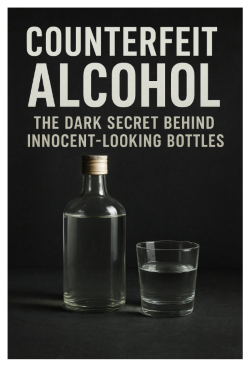
Illegal and Counterfeit Alcohol: A Life-Threatening Hazard
Illegal/counterfeit alcohol constitute a significant public health problem in our country, posing serious risks to many individuals each year. These beverages, produced or sold through unlawful means, often contain methyl alcohol (methanol), a toxic substance that can be fatal even in small quantities. In Turkey, deaths related to methanol poisoning frequently occur due to the consumption of alcoholic beverages or cologne, and recent years have shown a notable increase in such cases. For example, between November and December 2024, 73 people in Istanbul were poisoned by counterfeit alcohol, and 37 of them lost their lives.
Counterfeit alcohol is produced using dangerous substances instead of ethyl alcohol, often for the purpose of tax evasion or reducing production costs. As a result, it poses serious risks both to individual and public health. Methanol—derived from materials such as wood shavings, coal, or petroleum-based products—is not suitable for human consumption. Although used industrially due to its solvent properties, it is rapidly absorbed when ingested and is metabolized in the liver into formaldehyde and formic acid. These metabolites can cause vision loss, altered consciousness, and severe organ damage. Even very small amounts of methanol are toxic, while 60 ml or more can be lethal.
The difference between methyl alcohol and ethyl alcohol lies in their sources and how they are metabolized. Ethyl alcohol is obtained from sugar-containing agricultural products suitable for human consumption and is processed by the liver into water and carbon dioxide. Methanol, however, cannot be metabolized safely and is instead converted into toxic compounds that lead to severe health complications. Counterfeit alcoholic beverages often contain methanol that has been colored or flavored to resemble real alcohol, while illegal alcohol refers to unauthorized beverages produced with ethyl alcohol. Both carry significant risks.
Symptoms of methanol poisoning typically appear 12 to 24 hours after ingestion and affect the central nervous system, the eyes, and the gastrointestinal system. Common symptoms include nausea, vomiting, headache, fatigue, altered consciousness, blurred vision, and even blindness. Survivors may develop chronic neurological findings such as extrapyramidal symptoms or Parkinson-like conditions.
The most effective way to prevent harm from illegal and counterfeit alcohol is awareness. Purchasing alcoholic beverages only from reliable, authorized vendors, checking TAPDK tax bands, and reporting suspicious situations to relevant authorities can save lives. It is crucial to avoid unusually cheap or unlabeled products and never purchase alcohol from unfamiliar individuals. In suspected poisoning cases, the affected person should not be induced to vomit; if conscious, they may be given water, and emergency services (112) should be contacted immediately.
It must be remembered that alcohol purchased because it is inexpensive may cause irreversible consequences. The consumption of illegal and counterfeit alcohol not only increases individual health risks but also poses a major threat to public health. Therefore, raising awareness, obtaining alcohol from trustworthy sources, and taking prompt action in suspicious situations are of vital importance.
References:
-
Abdulkadiroğlu, Z. et al. (1998). Methyl alcohol intoxication: A case report. Selçuk University.
-
Ekiz, M. et al. (2011). Magnetic resonance imaging findings in methyl alcohol intoxication. AKATOS, 2(4), 20–22.
-
Güler, K., & Vatansever, S. (n.d.). Methyl alcohol (methanol) poisoning. Turkish Society of Internal Medicine Specialists.
-
Kütükçü, Y. et al. (1998). Parkinson syndrome resulting from methyl alcohol intoxication. Journal of Internal Medicine.